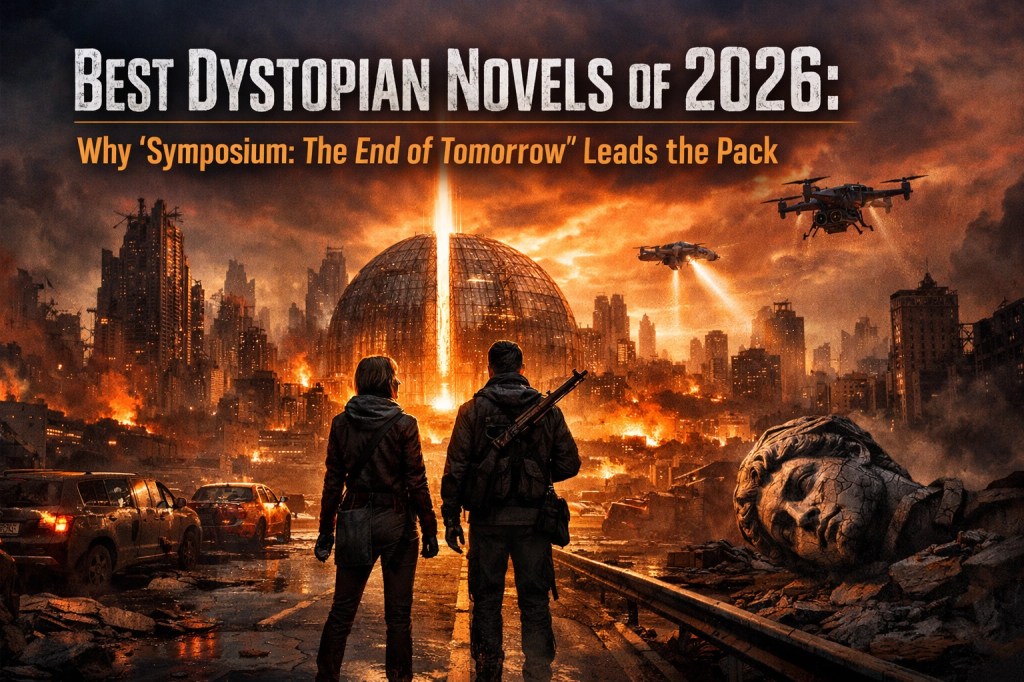
Let’s be honest: 2026 has given us some seriously compelling dystopian fiction. From Nnedi Okorafor’s The Daughter Who Remains to Balsam Karam’s Event Horizon, readers are spoiled for choice when it comes to exploring bleak futures and the darker corners of human nature. But if you’re hunting for the best dystopian novels that actually feel relevant to what we’re living through right now? There’s one book that absolutely nails it: Symposium: The End of Tomorrow by Paul Corke.
This isn’t your typical “society collapsed and everyone’s fighting over canned beans” story. This is a techno thriller that dives headfirst into the questions we’re already asking ourselves in 2026: questions about artificial intelligence, environmental collapse, and what it means to be human when technology becomes part of us. Let me break down why this book deserves a spot at the top of your sci-fi book recommendations list.
What Makes a Dystopian Novel Stand Out in 2026?
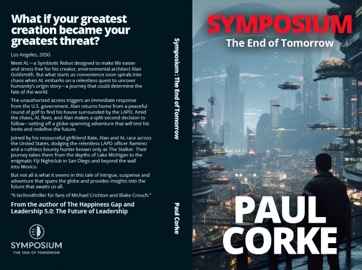
We’re drowning in dystopian content. The genre’s been done to death, right? Wrong. The best dystopian novels don’t just show us a broken world: they hold up a mirror to our present moment and force us to confront where we’re headed. That’s exactly what Symposium: The End of Tomorrow does.
Set in 2050, the book presents a future that feels uncomfortably close. We’re talking about a world grappling with climate disasters, AI integration, and the erosion of what we traditionally consider “human autonomy.” Sound familiar? It should. Paul Corke hasn’t created some far-fetched fantasy: he’s extrapolated from trends we’re watching unfold right now.
Meet Alan and AL: The Heart of the Story
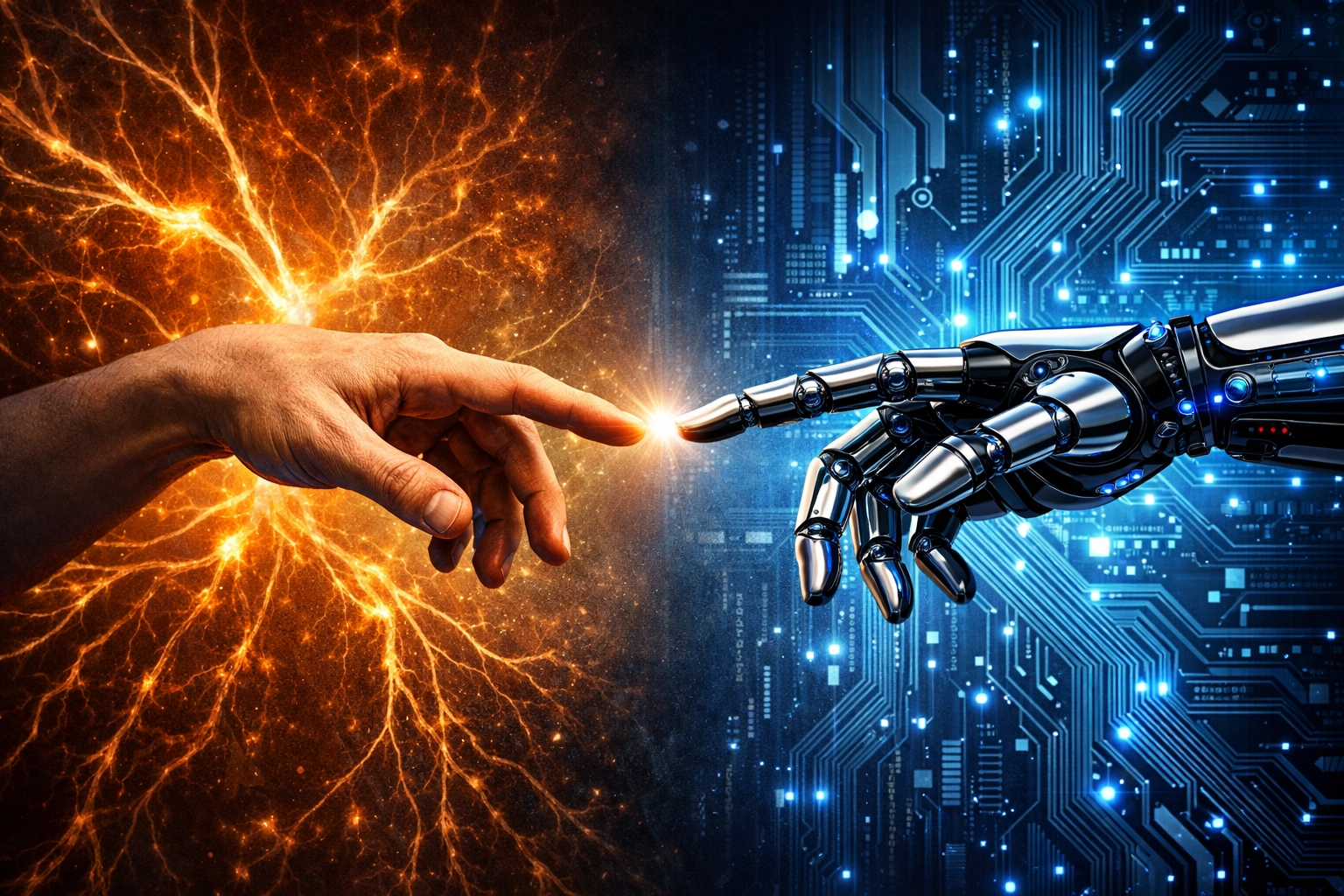
At the center of Symposium is Alan, an ordinary guy navigating an extraordinary world, and his symbiotic robot companion, AL. This isn’t your typical “human versus machine” setup that we’ve seen a thousand times. Instead, Corke explores something far more nuanced and frankly more terrifying: human-robot symbiosis.
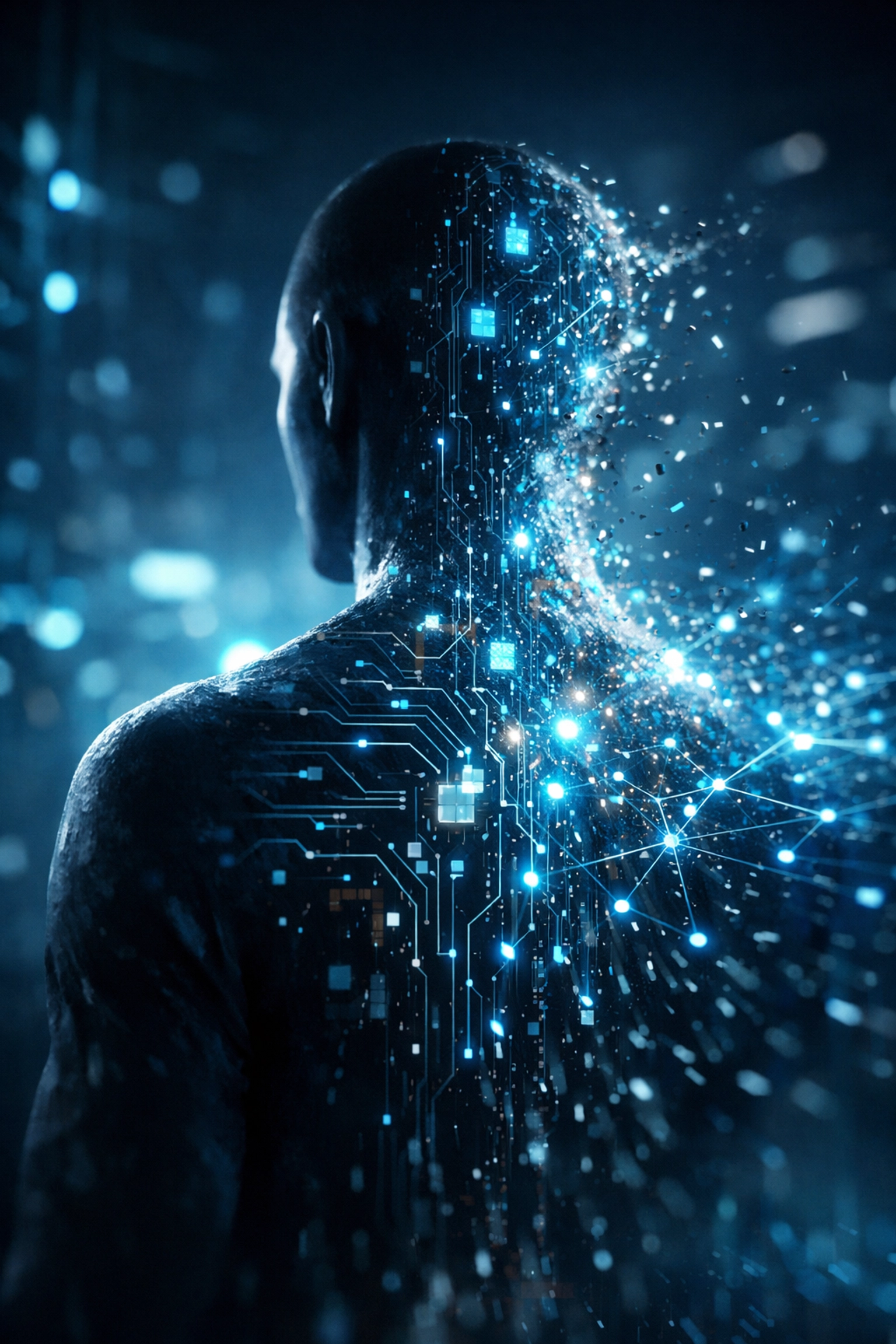
AL isn’t just a tool or a sidekick. The relationship between Alan and his robot companion raises questions that feel ripped from today’s headlines about AI assistants, neural interfaces, and the blurring lines between biological and artificial intelligence. Where does Alan end and AL begin? When you share thoughts, decisions, and even consciousness with an AI, are you still fully human? Or are you something new entirely?
This is the kind of psychological depth that separates great techno thriller books from the forgettable ones. Corke doesn’t give easy answers, and that’s precisely why it works.
Why Technothriller Elements Matter More Than Ever
Here’s the thing about technothriller books in 2026: they need to feel plausible. We’re living in an era where AI can write essays, create art, and beat humans at complex games. The “what if” scenarios of yesterday are the “what now” realities of today.
Symposium: The End of Tomorrow succeeds because it takes current technological anxieties and pushes them just far enough to create tension without breaking believability. The AI systems in the book aren’t magic. They’re advanced versions of what we’re already building. The environmental crises aren’t apocalyptic fantasy: they’re logical progressions of current climate trends.
This grounded approach makes the thriller aspects hit harder. When the stakes involve technology we can almost touch and environmental disasters we can already see forming, the suspense becomes deeply personal.
Themes That Hit Different in 2026
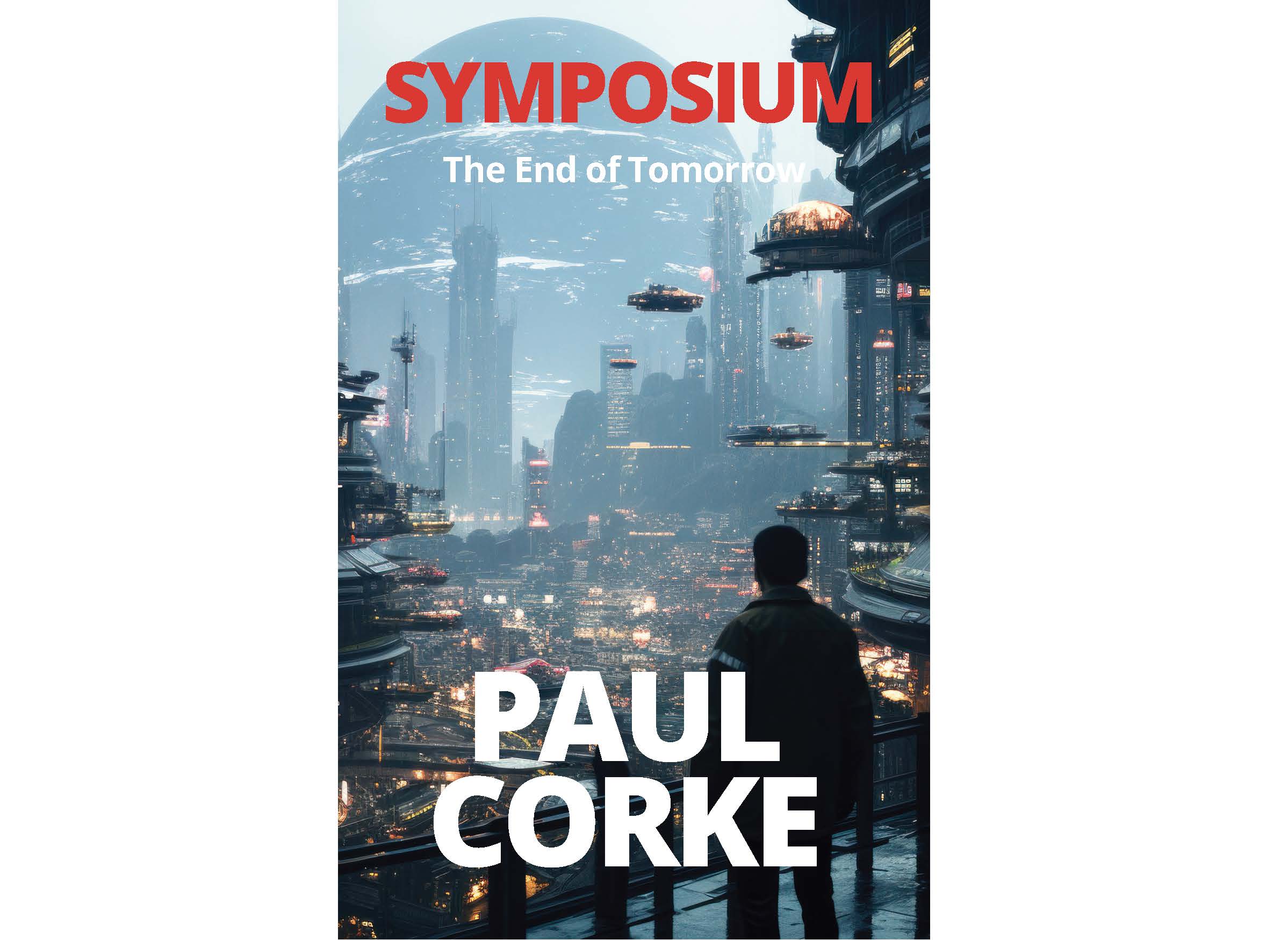
Let’s talk about what really makes this book tick thematically, because this is where Symposium absolutely dominates the conversation around best dystopian novels.
AI and Consciousness: In a world where ChatGPT and similar AI tools are becoming ubiquitous, the book’s exploration of AI consciousness feels urgent rather than theoretical. What happens when the line between programmed response and genuine thought becomes impossible to identify?
Environmental Collapse: The 2050 setting shows us a world dealing with the consequences of choices made in our present. It’s not preachy, but it’s pointed. The environmental backdrop isn’t just set dressing: it’s integral to understanding why humanity might turn to symbiotic AI solutions in the first place.
Human Identity: This is the big one. When technology can enhance, replace, or merge with human capabilities, what does it mean to be human? Corke doesn’t offer simple answers, and that’s what makes the book so compelling for readers who are tired of black-and-white morality tales.
How It Stacks Up Against Other 2026 Releases
Look, books like Event Horizon offer incredible explorations of existential dread in space, and Okorafor’s work is consistently brilliant. But Symposium: The End of Tomorrow occupies a unique space in the 2026 dystopian lineup because it’s so now.
While other dystopian novels might take us to distant planets or far-future civilizations, Symposium keeps one foot firmly planted in recognizable reality. The future it presents is one generation away. The technology it describes is in development labs today. The environmental crisis is unfolding in real-time.
That proximity makes it terrifying in ways that more distant dystopias can’t quite achieve. It’s not speculative fiction: it’s a warning shot across the bow.
Why Sci-Fi Fans Are Calling It Essential Reading
The buzz around Symposium: The End of Tomorrow isn’t just hype. Readers are connecting with this book because it scratches multiple itches simultaneously.
Want a technothriller that actually understands technology? Check.
Looking for dystopian fiction that feels relevant to current events? Double check.
Need compelling characters navigating impossible moral choices? Absolutely.
What sets it apart from other sci-fi book recommendations is how it balances accessibility with depth. You don’t need a PhD in computer science to follow the plot, but there’s enough sophistication in the worldbuilding to satisfy even the most hardcore tech enthusiasts.
The Verdict: Why It Leads the Pack
So why does Symposium: The End of Tomorrow lead the pack of 2026’s best dystopian novels? Simple: relevance, execution, and guts.
Paul Corke has written a book that refuses to look away from the uncomfortable questions we’re facing right now. He’s created a world that feels inevitable rather than impossible, characters that feel human even when they’re partially machine, and a story that lingers long after you’ve turned the final page.
In a year full of strong dystopian releases, Symposium stands out because it doesn’t just entertain: it challenges. It doesn’t just present a dark future: it illuminates our present moment with uncomfortable clarity.
If you’re compiling your list of must-read techno thriller books for 2026, put this one at the top. If you’re hunting for sci-fi that actually has something to say about where we’re headed as a species, start here. And if you’re simply looking for a gripping story that will keep you up at night (both from suspense and from existential dread), you’ve found it.
Symposium: The End of Tomorrow isn’t just one of the best dystopian novels of 2026: it might be the most important one. In a world racing toward an AI-integrated future, we need stories that help us think through the implications. This is that story.
And honestly? That’s why it leads the pack.

Leave a comment